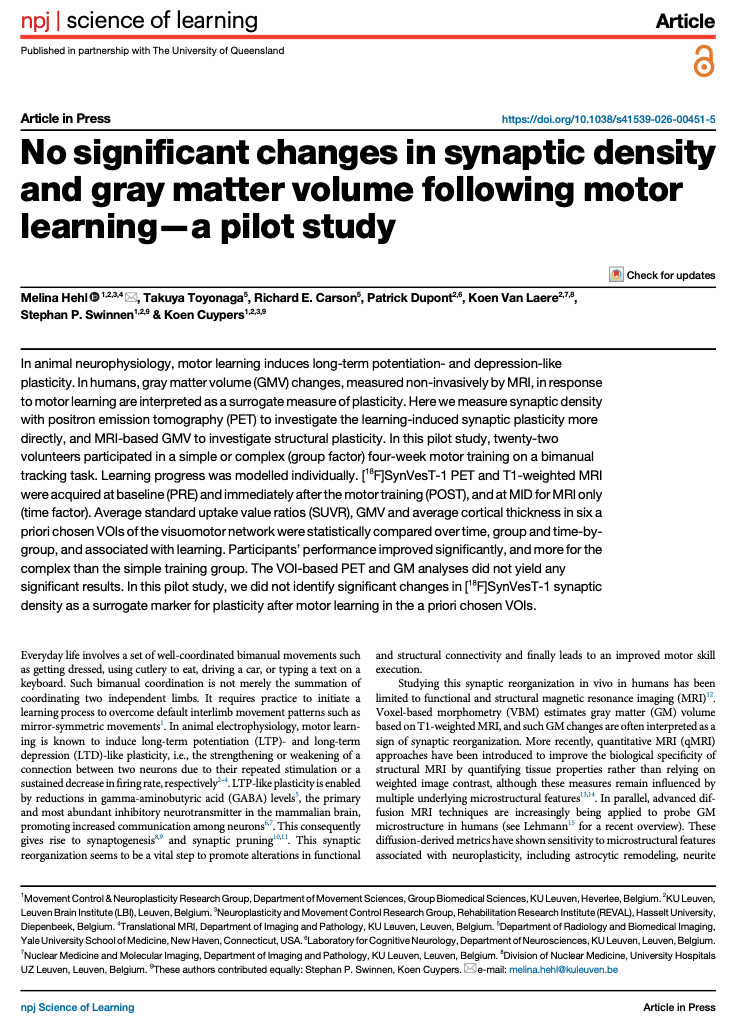
April 21, 2026
New paper!

We are pleased to share our new paper:
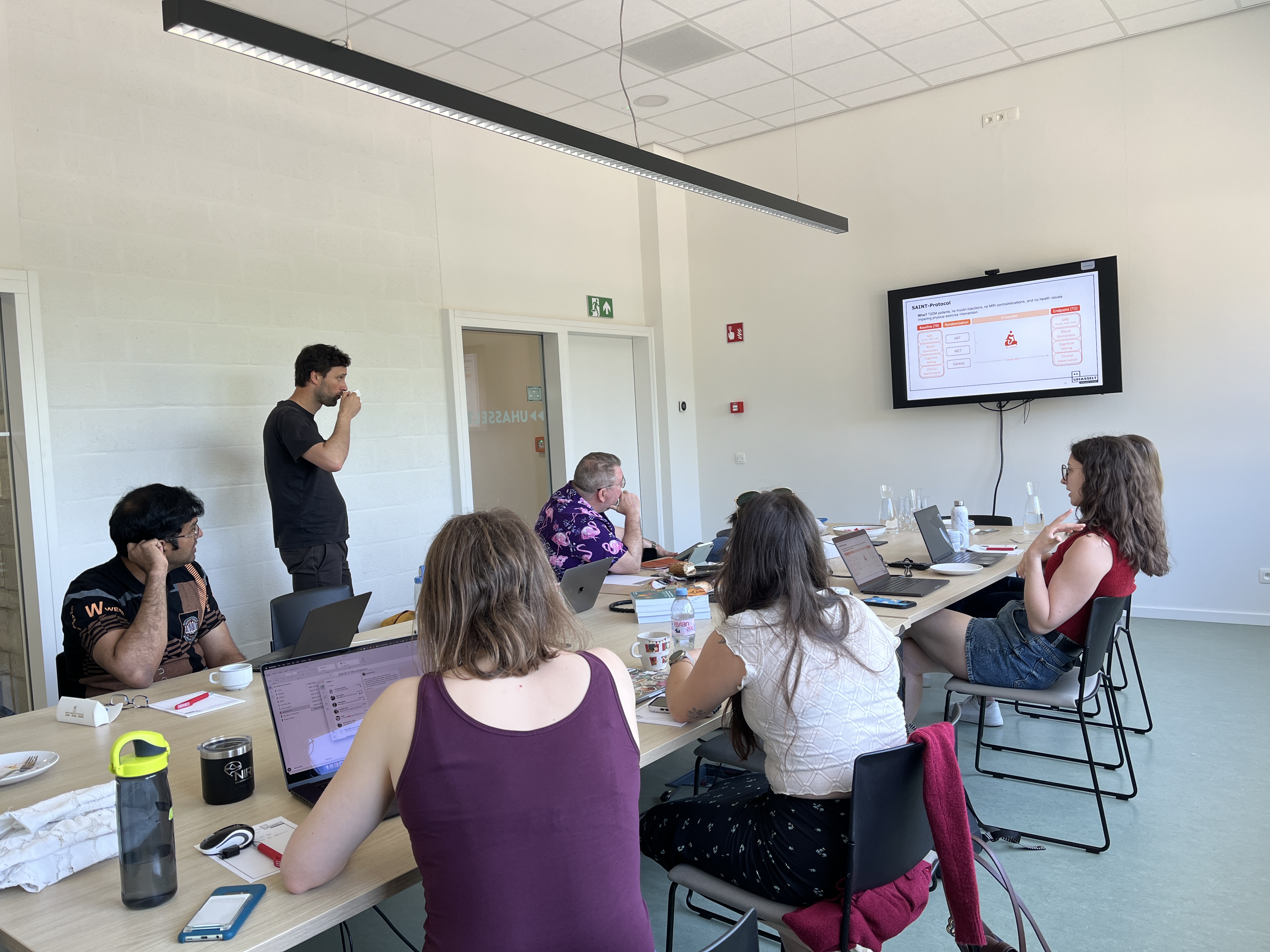
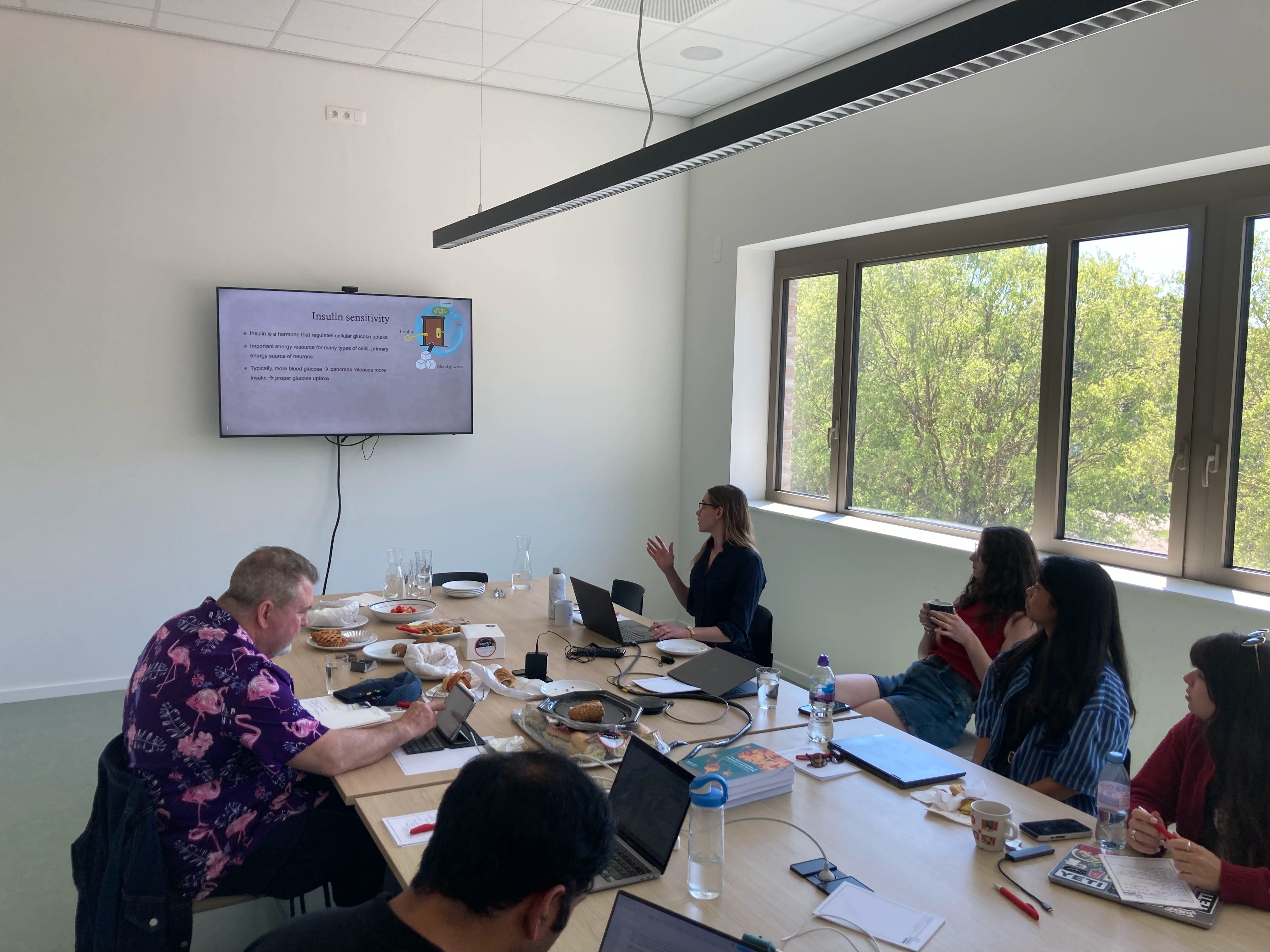
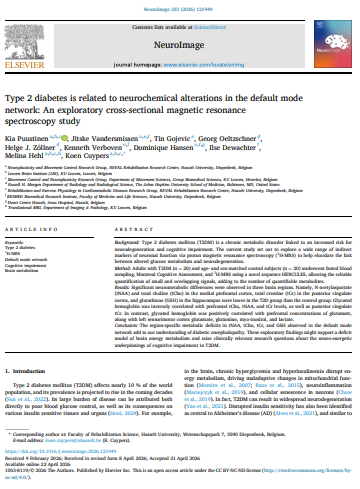
Type 2 diabetes is related to neurochemical alterations in the default mode network: An exploratory cross-sectional magnetic resonance spectroscopy study

•Findings suggest regional alterations in brain energy metabolism in T2DM.

•T2DM group showed reduced tNAA and tCho (PFC), tCr (PCC), and GSH (hippocampus).

•Various brain metabolite levels may be correlated to blood glucose control.

•Considering glucose control as a continuum might offer more sensitivity.

•HERCULES 1H-MRS allowed more metabolites to be quantified simultaneously.

Read the full article here: https://doi.org/10.1016/j.neuroimage.2026.121949

April 15-16, 2026
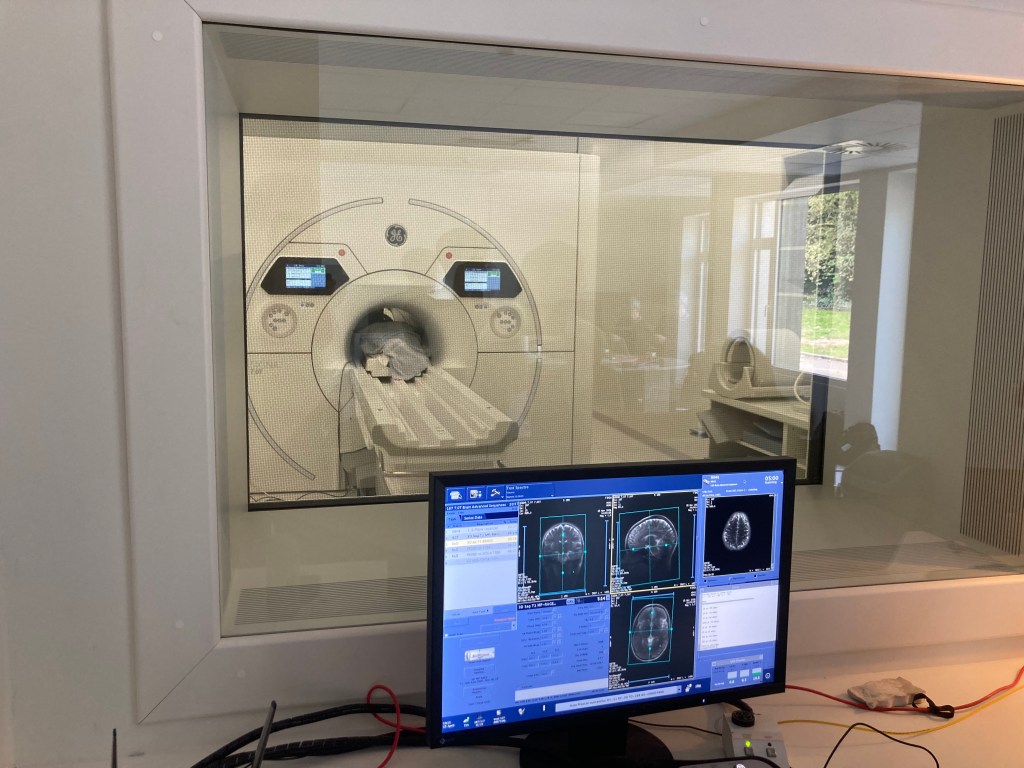
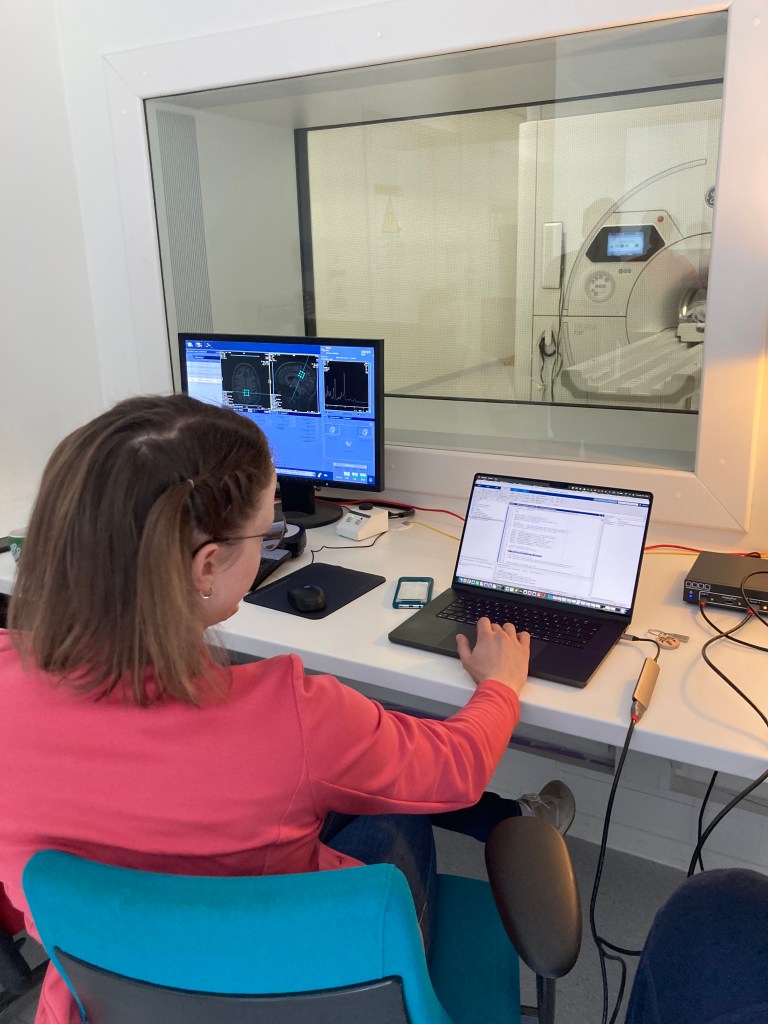
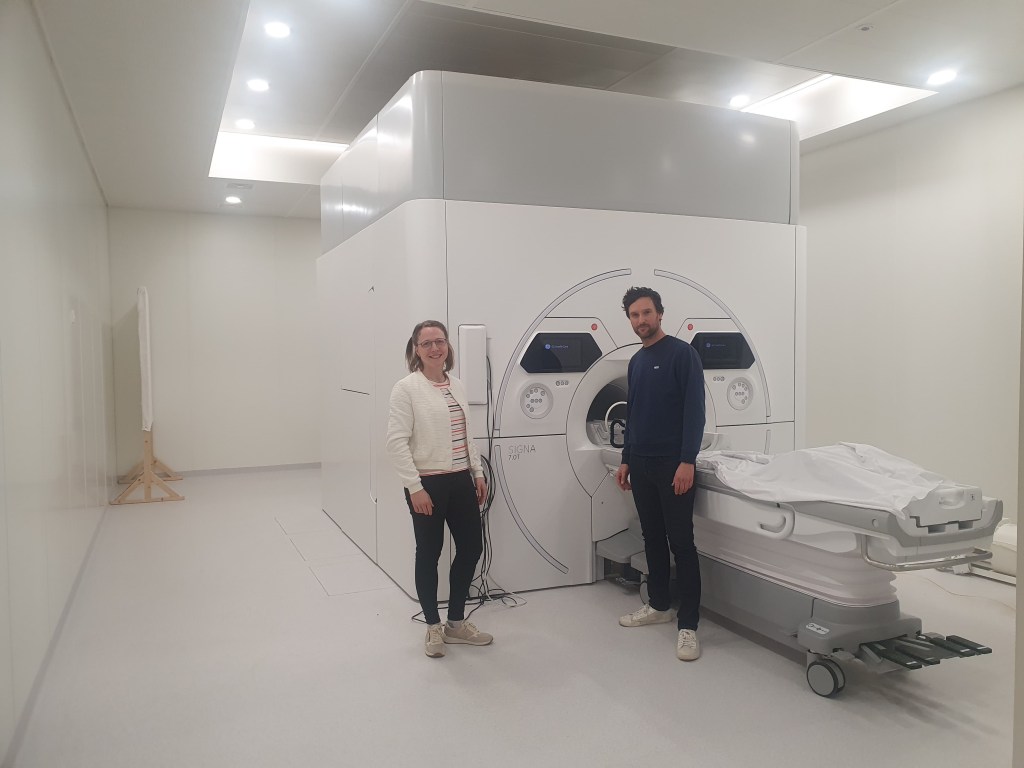
Setting-up 7T MR Spectroscopy

Together with Ralph Noeske, Melina Hehl and Koen Cuypers have been involved in setting-up the MRS sequences on the new Inter-University GE SIGNA 7T at the Research Park in Zellik.

March 24th, 2026
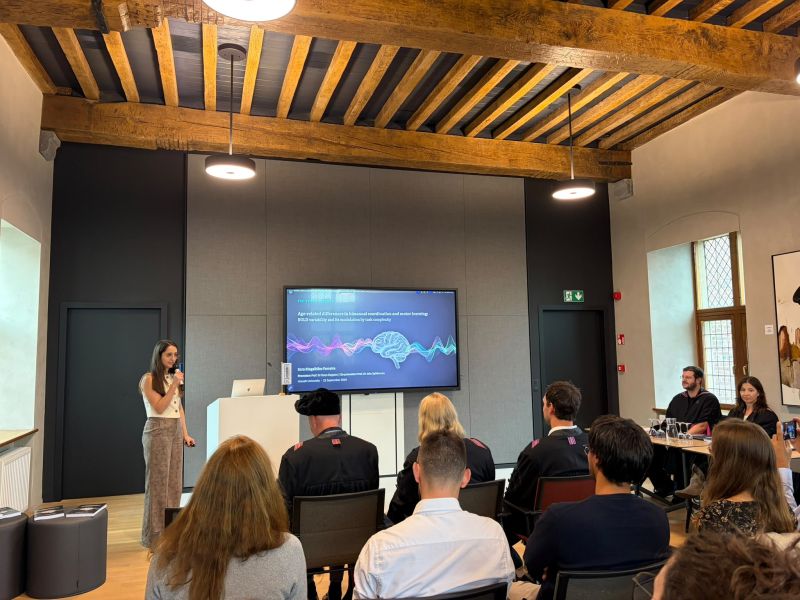
New paper!

We are pleased to share our new paper, titled:
Age-specific relationship between the modulation of brain dynamics
in response to task demands and bimanual performance

This study highlights the potential role of BOLD variability modulation in shaping bimanual performance during aging. While younger adults appear to benefit
from neural stability, older adults may rely on dynamic modulation of variability, particularly in visuospatial and cerebellar networks, to compensate for declining
efficiency. These findings complement existing neurocognitive aging theories by identifying BOLD variability modulation as a potential biomarker of neural adaptability and resilience, with relevance for maintaining sensorimotor function in later life.

Read the full article here: https://www.aging-us.com/article/206363/text

October 31st, 2025
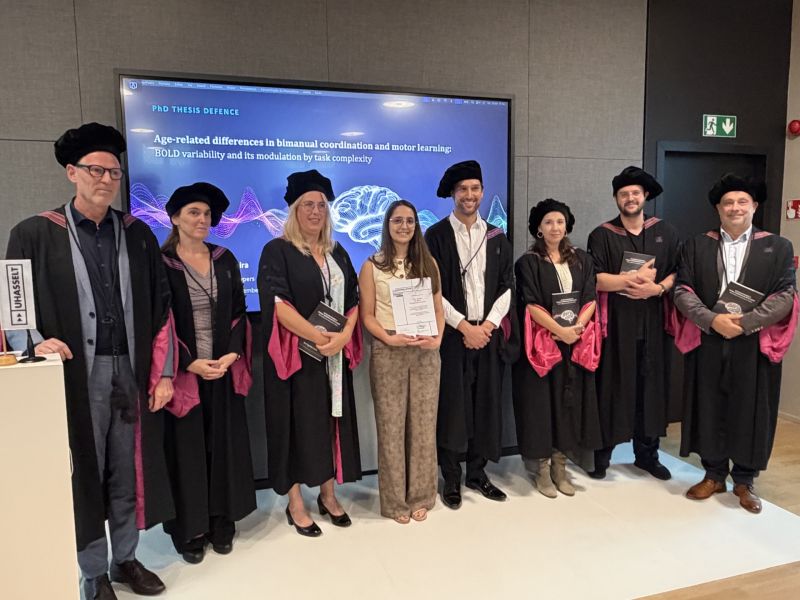
Dr. Shanti Van Malderen

Shanti successfully defended her Phd titled: “The aging cerebellum: how differences in inhibition and neurometabolite levels relate to motor function”

We are incredible thankfully to work with Shanti in the past years. She is a true team player and we will mis her unending positivism.

July 7th, 2025
New paper alert!

We are pleased to share that our new paper, titled:
“Cerebellar Brain Inhibition and Its Association with Motor Inhibition and Reaction Time in Younger and Older Adults”, has been published in ‘The Cerebellum’.
We used dual-site TMS to examine resting cerebellar-brain inhibition (CBI) and its link to motor performance across age groups.

While older adults showed slower reaction times and reduced response inhibition, we found no age-related differences in resting CBI, nor associations between CBI and motor outcomes.
These findings suggest that resting-state CBI may not reflect functional cerebellar contributions to motor decline.

Read the full article here: https://rdcu.be/euSXG

July 7th, 2025
New paper published in Frontiers in Aging Neuroscience

It is with great excitement that we announce the publication of our latest paper, “GABA, Glx, and GSH in the cerebellum: their role in motor performance and learning across age groups” in Frontiers in Aging Neuroscience!

This project allowed us to explore the subtle neurochemical landscape of the aging cerebellum. While our results suggest that GABA, Glx, and GSH levels might not be the primary drivers of age-related motor performance differences, they reinforce the idea that neurobiological aging is multi-faceted, with structural and connectivity changes potentially playing a more significant role in this region.

You can read the full paper here: https://lnkd.in/eHWKuAvz

March 24th, 2025
New publication in Neurobiology of Aging on age-related alterations in cerebellar brain inhibition
Excited to share that our latest study titled “Age-related differences in task-related modulation of cerebellar brain inhibition” was recently published in Neurobiology of Aging.

While aging is often associated with declines in cerebellar function, we found that resting-state CBI and the task-related release of CBI were maintained in older adults, challenging previous assumptions of reduced inhibitory function in older individuals. Yet, the modulation of CBI influenced short-term motor learning differently for both age groups, suggesting a potential functional reorganisation of the cerebellar neural system.

Check out the full paper here: https://lnkd.in/escJ2-GB


February 6th, 2025
New publication in Human Brain Mapping on the role of neurometablites in motor learning
We are excited to share our latest study, “The Reciprocal Relationship Between Short- and Long-Term Motor Learning and Neurometabolites,” now published in Human Brain Mapping. Using magnetic resonance spectroscopy (MRS), we investigated how inhibitory (GABA) and excitatory (Glx) neurometabolites contribute to motor learning over time. Our findings highlight how baseline metabolite levels and modulation predict learning success, and how training-induced changes differ across brain regions.

Check out the full open access paper here: https://onlinelibrary.wiley.com/doi/epdf/10.1002/hbm.70170

February 6th/7th, 2025
BRAINS-lab at MaRBEL Conference 2025 (Liège)
Numerous members of BRAINS-lab attended the MaRBEL conference and pre-conference courses, where the latest advancements in Belgian MR research were presented and discussed. It was a great opportunity to exchange knowledge and connect with fellow researchers in the field.

We are proud to highlight Robin’s oral presentation and Svitlana’s data blitz presentation, as well as the impressive poster contributions from Sara, Shanti, Maud, Robin, Svitlana, and Katrien, along with our UHasselt colleagues Dries and Joana. Well done to all for sharing their exciting research!

A big thank you to ULiège for organizing such a well-structured and engaging event. The conference was hosted in the stunning Salle Académique, a truly inspiring venue that added to the atmosphere of scientific exchange and collaboration.

Looking forward to the next edition!

January 17th, 2025
BRAINS-lab at ISMRM BeNeLux in Hilversum, NL
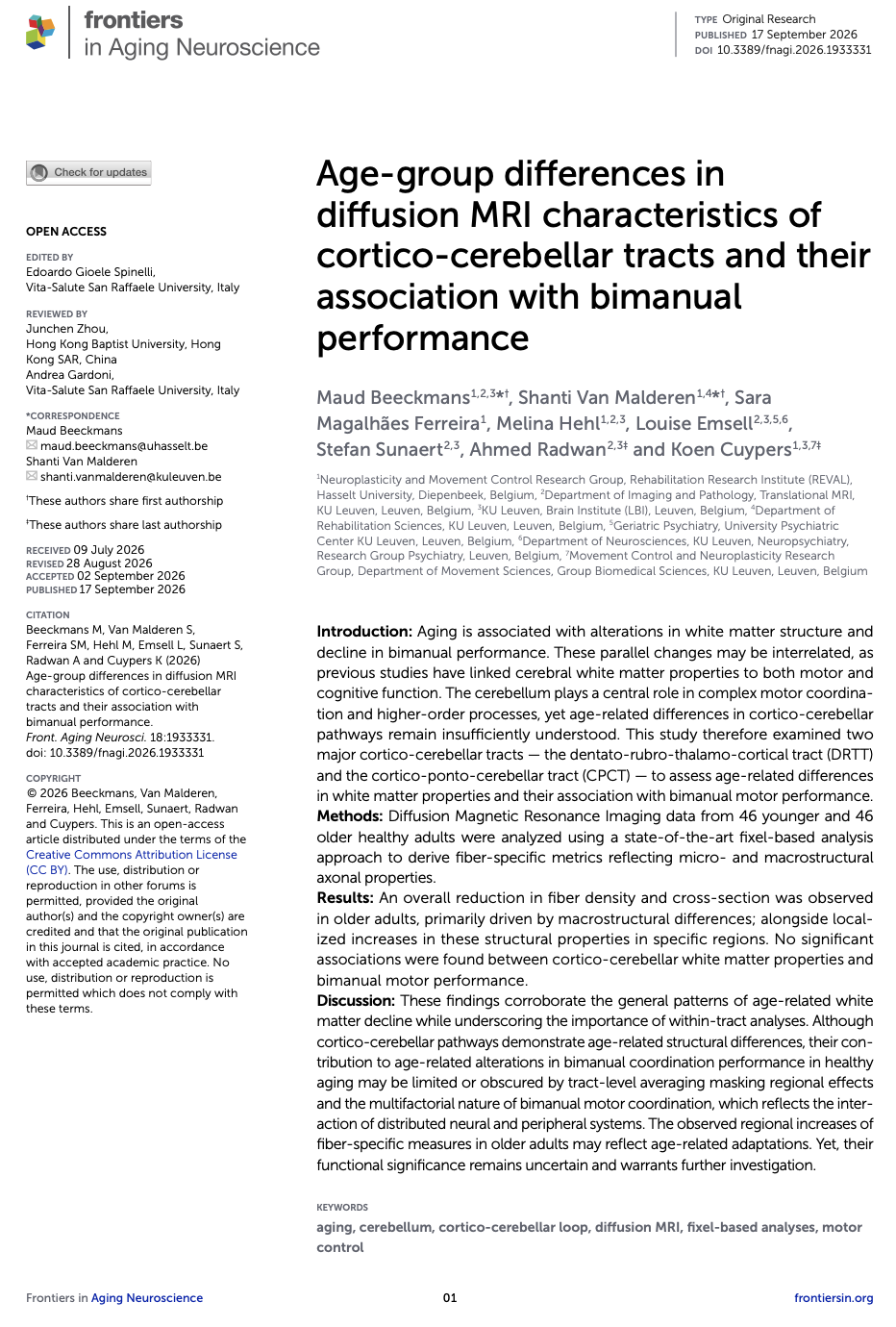
The new year started off well at the ISMRM BeNeLux in Hilversum, an annual conference where MRI scientists share their knowledge and findings in the field of advanced MRI. Our dra. Maud Beeckmans presented her brand-new diffusion results during one of the poster sessions. Additionally, Dr. Melina Hehl and dra. Robin Heemels attended to gather new ideas, stay up to date with the state-of-the-art of MRI, and further implement it in the BRAINS-lab!